Backend Developer
CaseFlow
Support ticket & SLA tracking platform
2025 — 2026·5 engineers
0k+
tickets / quarter
72% → 95%
SLA compliance
<0ms
p95 queue queries
Overview
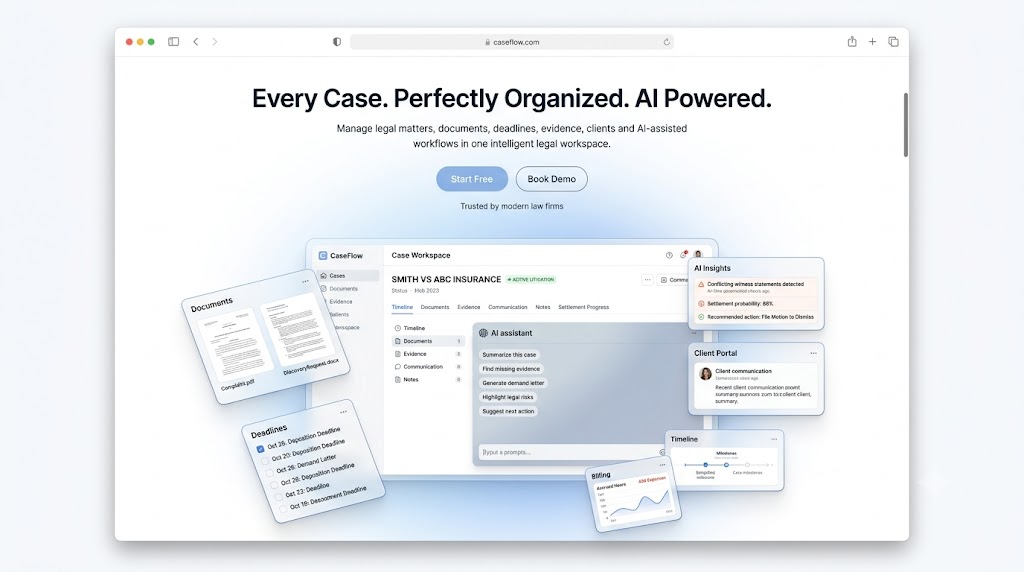
An internal operations platform that replaced spreadsheet and chat-based support tracking with structured ticket lifecycles: ownership, comments, attachments, SLA deadlines, escalation rules, and audit-friendly activity history.
Challenges
- Keeping ticket status, assignment history, SLA records, and audit logs consistent under concurrent updates.
- Queue views needed keyword search, unread counters, SLA filters, and dashboards — fast.
- SLA breaches went unnoticed in the old spreadsheet workflow.
Solutions
- Modeled priorities, status transitions, escalation rules, and activity history in PostgreSQL with transactional updates for core state.
- Added targeted indexes plus Redis caching for filtering, counters, and dashboard summaries.
- RabbitMQ workers drive SLA reminders, escalation notifications, email delivery, and retry handling; WebSocket pushes live queue updates.
Results
- SLA compliance rose from 72% to 95% within two quarters of rollout.
- p95 under 200ms on queue queries at 10k+ tickets per quarter.
- Full audit trail adopted by support leads for weekly review, replacing three spreadsheets.
Architecture
Tech stack
- Node.js
- Express
- PostgreSQL
- Redis
- RabbitMQ
- MinIO
- WebSocket
- RBAC
- Docker
Process
- 01
Workflow mapping
2 weeksTranslated support queues, SLA policies, and audit needs into domain flows.
- 02
Backend build
8 monthsTicket APIs, RBAC, transactional updates, workers, WebSocket.
- 03
Operations polish
ContinuousQueue performance, retries, dashboards.